Organising a bucket: pouches, liners and keeping the middle usable

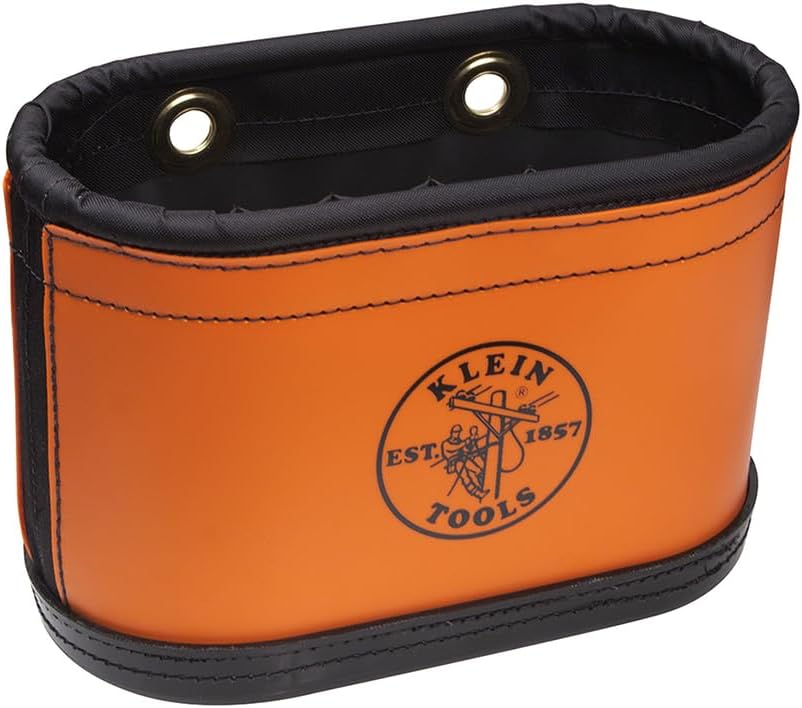
The humble 5-gallon bucket is an undeniable workhorse in any trade or workshop. It’s a simple, robust container, perfect for hauling everything from rubble and paint to a comprehensive set of tools. Its sheer volume and sturdy handle make it incredibly versatile for both transport and temporary storage on a job site. However, its very simplicity—a large, open cavity—is also its biggest organisational challenge, often leading to a jumbled mess where small items get lost, and larger tools are a chore to retrieve.
Transforming this basic bucket from a chaotic void into an efficient, accessible tool carrier requires a considered approach. The key lies in strategic accessorising: leveraging an array of pouches and liners to compartmentalise the perimeter, while consciously preserving the central space for larger, bulkier items that truly benefit from the bucket’s expansive capacity. This article will explore practical methods for achieving optimal bucket organisation, ensuring your tools are always where you need them, when you need them.
Understanding the Bucket’s Core Function
Before you begin accessorising, take a moment to consider the primary role your bucket will play. Is it destined to carry a specific set of plumbing tools, a collection of electrical components, or perhaps just a mix of essential hand tools for general repairs? Identifying its core purpose is crucial, as this dictates the types of tools and supplies it will most frequently house, and consequently, the best organisational solutions.
For instance, if your bucket’s main function is to transport a portable power drill and its charger, then the central cavity must remain largely unobstructed. In such a scenario, smaller items, such as drill bits, fixings, or screwdrivers, will need dedicated perimeter storage. Conversely, if the bucket is primarily for hand tools, the middle space might be better suited for consumables like tape, cleaning cloths, or even a small parts organiser.
The Role of a Bucket Liner/Organizer
A bucket liner, often referred to as a bucket organiser, is the foundational piece for transforming a basic bucket into a highly functional tool caddy. This heavy-duty fabric insert fits snugly inside the bucket, typically secured around the rim. It features a multitude of pockets of varying sizes distributed around its entire circumference, effectively converting the bucket’s inner walls into vertical storage for hand tools and smaller equipment.
These liners are commonly crafted from durable materials such as robust canvas or tough 1680D polyester, chosen for their resistance to tearing and abrasion. The stiffness of these materials helps the pockets maintain their shape, keeping tools upright and visible. This eliminates the frustrating act of rummaging through a pile, allowing you to quickly identify and retrieve the specific implement you need, enhancing both efficiency and convenience on the job.
External Pouches: Expanding Capacity
While internal liners excel at organising the bucket’s interior, external pouches offer another valuable layer of accessibility and capacity. These accessories typically feature straps or clips that allow them to be securely attached to the outside of the bucket. They are particularly useful for items that require very frequent access, or for tools that might be dirty or wet and you prefer to keep separate from the main contents.
Consider using external pouches for items such as work gloves, a tape measure, a utility knife, or even your mobile phone. Their immediate accessibility means you don’t need to delve into the bucket’s main compartment, saving time and effort. This outward-facing storage also helps distribute the load more evenly, contributing to a more balanced and comfortable carry, especially when the bucket is fully loaded.
Zippered Pouches: Securing Small Items
For the multitude of small, easily lost items that inevitably accompany any toolkit, zippered pouches are an indispensable organisational asset. These robust fabric bags, available in various dimensions (for example, common sizes might be 10×7 inches or 12×8 inches), are perfect for keeping fasteners, drill bits, electrical connectors, plumbing washers, or delicate measuring instruments securely contained. They prevent these small components from scattering and getting mixed up within the larger bucket.
The advantage of zippered pouches lies in their modularity and protection. Each pouch can be dedicated to a specific category of items, making identification and retrieval much faster. They can be neatly stacked within the bucket’s central cavity or slipped into larger liner pockets, offering robust protection against dust, moisture, and impact. This targeted containment ensures that even the smallest parts are always accounted for and readily available.
Strategising the Middle Space
The central cavity of the bucket is its greatest asset for bulk storage, but it can also become a black hole if not managed correctly. The key to optimising this space is to keep it flexible and accessible for its intended purpose, which is typically holding larger tools, power tools, or consumables that don’t fit into perimeter pockets. Avoid the temptation to just dump everything into the middle, as this defeats the purpose of the surrounding organisation.
One effective strategy is to reserve the middle for a single large item, such as a circular saw, a cordless drill, or a coil of extension cord. Alternatively, if your work requires a diverse set of larger items, consider using a smaller, nested wide-mouth tool bag that fits snugly into the central void. This allows for an additional layer of organisation within the main bucket, permitting rapid removal of an entire category of tools when needed.
Tool Rolls and Wraps Inside the Bucket
Beyond fixed pockets and zippered pouches, tool rolls and wraps offer a highly versatile method for organising specific sets of tools within your bucket. These fabric organisers typically feature multiple pockets or sleeves, designed to hold items like wrenches, chisels, screwdrivers, or delicate precision tools. When rolled up, they create a compact, protected bundle that can be easily placed into the bucket’s central cavity.
Tool rolls are particularly beneficial for protecting items that could be damaged or could damage other tools if left loose. They can be stored vertically within the bucket’s core, or even laid horizontally on top of bulkier items, acting as a soft, protective layer. This flexibility allows you to customise your setup, adding or removing entire sets of tools as required for different tasks, without disrupting the overall bucket organisation.
Material Considerations: Canvas vs. 1680D Polyester
When selecting bucket organisers, pouches, and tool bags, the material plays a significant role in their durability, performance, and suitability for various environments. The two most prominent materials you’ll encounter are heavy-duty canvas and 1680D polyester, each offering distinct advantages. Canvas, a traditional choice, is a thick, woven cotton fabric known for its ruggedness, breathability, and classic aesthetic. It ages gracefully, developing a unique patina over time.
Conversely, 1680D polyester is a modern synthetic fabric, characterised by its extremely high denier count, indicating exceptional resistance to tears, abrasions, and punctures. It is often treated to be highly water-resistant, making it an excellent choice for demanding outdoor conditions or environments where tools might be exposed to moisture or harsh chemicals. Your choice should align with the specific demands of your work and the level of protection your tools require.
Weight Distribution and Portability
An often-overlooked aspect of bucket organisation is how it impacts overall weight distribution and ease of portability. A poorly organised bucket, with heavy items piled haphazardly, can be awkward, unbalanced, and uncomfortable to carry. Strategic placement of tools, however, can significantly improve the experience, making a heavily laden bucket feel more manageable and less strenuous to transport from one location to another.
Aim to place the heaviest items low and centrally within the bucket’s core, ensuring stability. Lighter items and those needed for quick access should occupy the perimeter pockets and external pouches. Furthermore, consider upgrading your bucket handle or adding a padded shoulder strap if you frequently carry heavy loads. A well-organised bucket isn’t just about finding tools faster; it’s also about moving them more efficiently and comfortably, reducing strain over time.
The short version
- Maximise perimeter storage using a bucket liner and external pouches to keep hand tools and frequently accessed items organised and visible.
- Utilise zippered pouches to secure small parts, fasteners, and sensitive items, preventing loss and maintaining clear categorisation within the bucket.
- Keep the central cavity flexible for bulk items, larger power tools, or a nested wide-mouth tool bag, ensuring it remains accessible and functional for its primary purpose.
Where to go next
Everything discussed here sits under Bucket Organizers in our shop. Delivery and returns are set out on the Shipping Policy and Refund and Returns Policy pages. If something here does not answer your question, ask us directly — we would rather talk it through than have you buy the wrong thing.