Keeping a tool bag dry: bases, seams and what water resistant really means

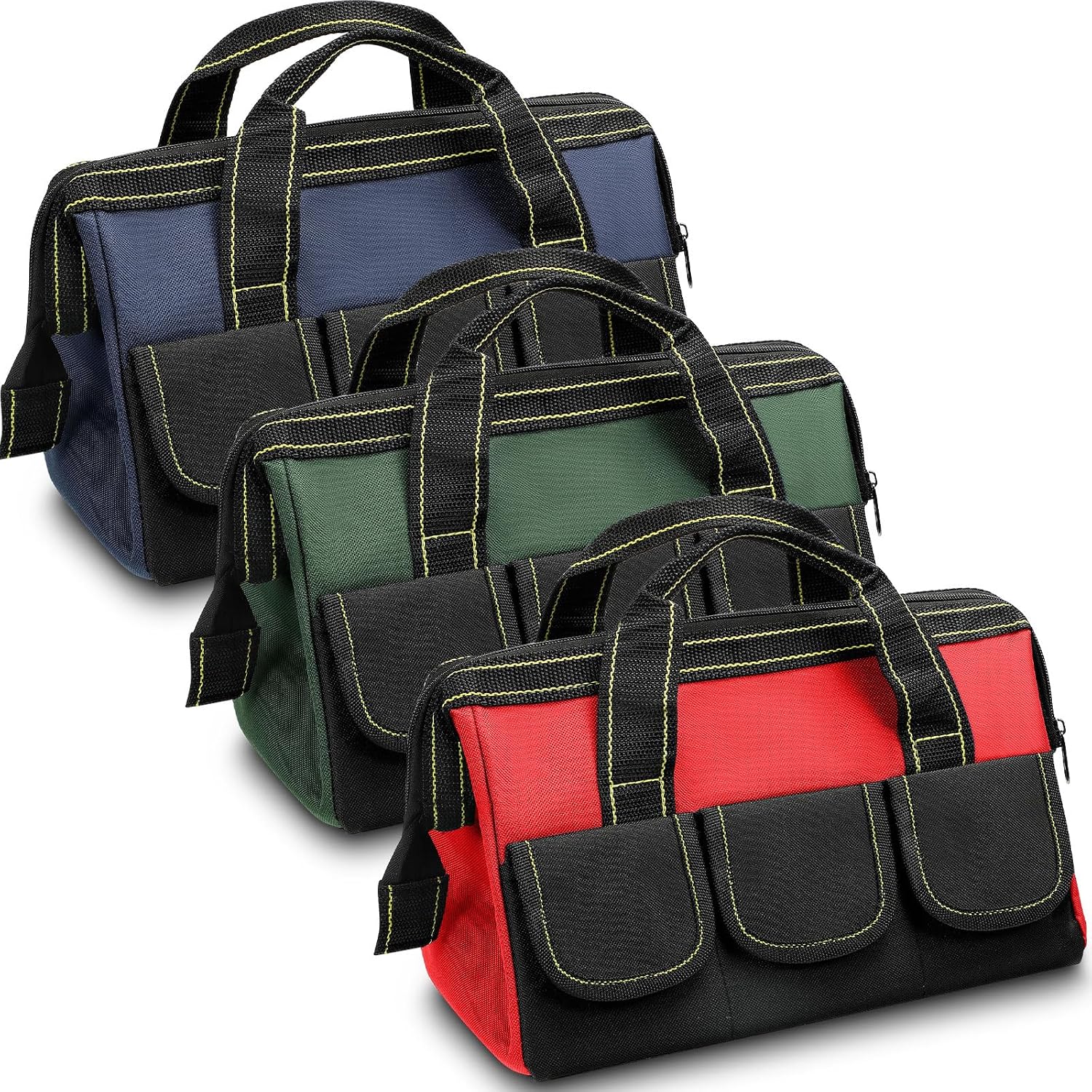
Tools are an investment, and protecting them from the elements is crucial for their longevity and performance. Moisture, in particular, is the silent enemy of metal, leading to rust, corrosion, and ultimately, damaged or seized equipment. A well-chosen tool bag acts as your first line of defence, but not all bags offer the same level of protection.
Understanding the nuances of what makes a tool bag resistant to water can save you time, money, and frustration. It’s not just about the primary fabric; the design of the base, the integrity of the seams, and the type of closures all play significant roles. Let’s delve into the practical aspects of keeping your valuable tools dry, regardless of the conditions you face on the job.
Understanding “Water Resistant” vs. “Waterproof”
The terms “water resistant” and “waterproof” are often used interchangeably, but they describe very different levels of protection. A water-resistant material or bag is designed to repel water and slow down its penetration. It will offer protection against light rain, splashes, or damp surfaces for a limited time before moisture eventually seeps through.
On the other hand, a waterproof item creates a complete barrier against water ingress, preventing it from passing through entirely. This usually involves specific materials, coatings, and sealed construction techniques that ensure no water can penetrate, even when submerged or exposed to heavy, prolonged precipitation. Most tool bags are designed to be water resistant, not fully waterproof.
The Importance of Material Choice
The primary material of your tool bag significantly dictates its initial resistance to water. Traditional canvas, a popular choice for its durability and classic appearance, offers reasonable resistance to light moisture initially. However, being a natural fibre, untreated canvas will eventually absorb water, becoming heavy and allowing dampness to reach your tools over time.
Synthetic materials like 1680D polyester or nylon offer superior water resistance due to their tighter weave and inherent properties. Many synthetic fabrics are also treated with a Durable Water Repellent (DWR) finish during manufacturing, causing water to bead up and roll off the surface. This combination makes them an excellent choice for environments where exposure to moisture is a regular concern.
The Critical Role of the Base
The base of a tool bag is arguably its most vulnerable point when it comes to water ingress. Bags are frequently placed on wet ground, muddy floors, or even in shallow puddles. A standard fabric base, even if water resistant, is constantly exposed to moisture and abrasion, making it the first area to compromise.
For enhanced protection, look for bags with reinforced bases. This can involve a thicker, more densely woven fabric, a rubberised coating, or a moulded plastic hard base. A solid, elevated plastic base not only prevents water from seeping through but also lifts the bag slightly off the ground, creating a vital air gap that further protects against standing water.
Seams: The Weakest Link
Even with the most water-resistant fabric, the seams of a tool bag represent a significant vulnerability. Every stitch creates a tiny hole through the material, which, if not properly sealed, can allow water to penetrate. The thread itself can also wick moisture into the bag, undermining the fabric’s protective qualities.
High-quality tool bags employ various methods to fortify their seams. This might include using water-resistant or bonded threads, internal seam taping, or even welding seams for maximum integrity. For extreme protection, some designs incorporate overlapping fabric or storm flaps over critical seams to deflect water before it reaches any potential weak points.
Zippers and Closures
While often overlooked, the type of zipper and closure mechanism on your tool bag plays a critical role in keeping contents dry. Standard coil or plastic zippers, though durable, have small gaps between their teeth where water can easily penetrate, especially during heavy rain or splashes. This is particularly true for main compartments.
For superior water resistance, look for zippers designed to repel moisture. These often feature a rubberised coating or a tight, interlocked design that minimises water entry. Additionally, storm flaps or overlapping fabric covers that extend over the zipper can provide an extra layer of defence, diverting water away from the closure and preventing it from seeping inside.
Everyday Practical Habits
Even with the most robust water-resistant bag, practical habits can significantly extend its protective capabilities. Avoid placing your tool bag directly onto wet, muddy, or snowy surfaces whenever possible. Utilise a small mat, a dry piece of wood, or even a bucket lid to create a barrier between your bag and the ground.
After working in damp conditions, always take a moment to inspect your tools and the inside of your bag. If any moisture has entered, remove all tools and allow the bag to air dry completely. Storing wet tools inside a closed bag creates a humid environment perfect for rust and mildew, negating any benefits of a water-resistant exterior.
Maintenance and Care
Keeping Your Bag’s Defences Strong
The water-resistant properties of your tool bag are not entirely permanent and can degrade over time with use and exposure. Regularly cleaning your bag, especially if it’s canvas or a DWR-treated synthetic, helps maintain its performance. Dirt and grime can compromise the water-repellent finish, allowing water to ‘wet out’ the fabric rather than bead off.
For bags with DWR coatings, consider reapplying a suitable water-repellent spray periodically. These products are designed to restore the fabric’s ability to shed water, much like when it was new. For canvas bags, specific wax treatments can enhance their natural water resistance. Always follow the product manufacturer’s instructions for best results.
The “Ideal” Dry Bag Features
Combining Elements for Maximum Protection
When seeking the best protection, look for a combination of features working in concert. An ideal dry tool bag will feature a highly water-resistant main fabric, such as 1680D synthetic, often with a DWR coating. This forms the primary barrier against rain and splashes, ensuring that most water never even touches the inner layers.
Crucially, this fabric should be paired with a heavy-duty, often moulded plastic or rubberised base that prevents water from wicking upwards when placed on wet ground. Add to this robust, sealed or taped seams and water-resistant zippers with storm flaps, and you have a comprehensive defence system. This multi-layered approach provides the best chance of keeping your valuable tools bone dry, whatever the job throws at you. You can find many such options for canvas and 1680D tool totes, zippered pouches, bucket organizers and wide-mouth tool bags from 13 to 20 inches at Union Square Supply.
The short version
- Prioritise the base: Always look for tool bags with reinforced, rubberised, or moulded plastic bases to prevent water from wicking up from wet ground.
- Inspect seams and zippers: Seams are often the weakest point; seek out bags with taped seams, robust stitching, and water-resistant zippers, preferably with storm flaps.
- Practise good habits: Avoid placing your bag directly on wet surfaces, and always air out your bag and tools thoroughly after exposure to moisture.
Where to go next
Everything discussed here sits under Wide-Mouth Tool Bags in our shop. Delivery and returns are set out on the Shipping Policy and Refund and Returns Policy pages, and you may also want Choosing a tool bag size: 13, 16 or 20 inches and what each really holds. If something here does not answer your question, ask us directly — we would rather talk it through than have you buy the wrong thing.