Why tool bags fail at the base first, and what to look for underneath

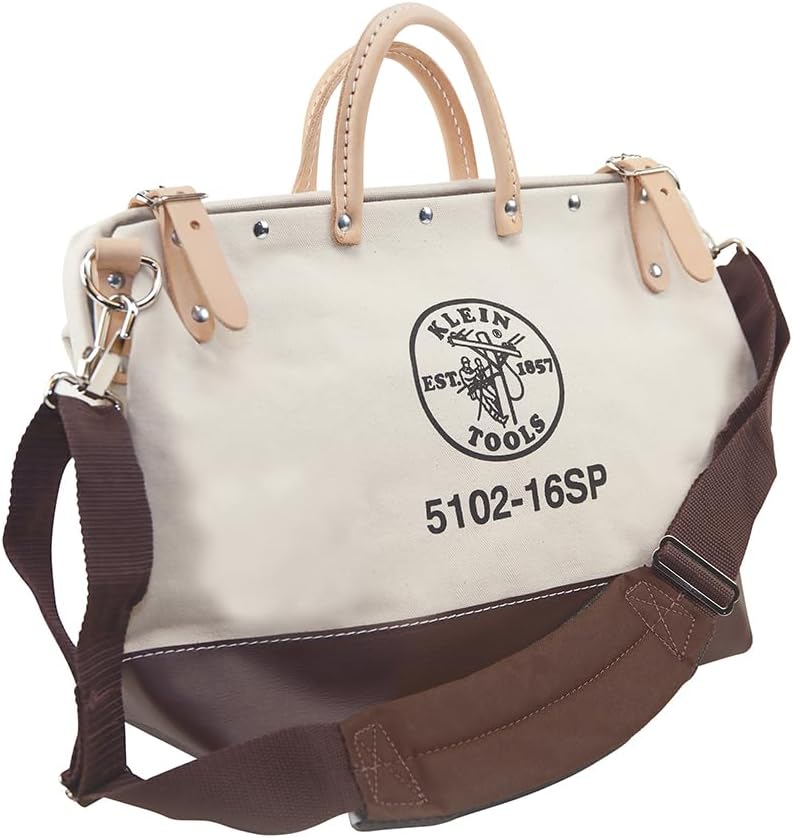
Anyone who relies on a tool bag understands the frustration of a premature failure. It often begins subtly: a small fray, a developing tear, or a slight weakening of the material. Before long, the bag that once reliably organised and protected your essential tools is compromised, spilling contents or simply becoming impractical to carry. This common experience points to a critical area of vulnerability that is frequently overlooked.
The base of a tool bag endures disproportionately more stress than any other part. It carries the entire load, rubs against countless surfaces, and is often the first point of contact with moisture or abrasive debris. Understanding why this happens, and knowing what specific features to scrutinise beneath your bag, is key to selecting a durable item that will truly stand the test of time, saving you both hassle and expense in the long run.
The Unseen Burden: Why Bases Take the Brunt
The base of any tool bag is subject to a constant, relentless siege of forces. Gravity pulls down on every tool, concentrating all that weight onto the lowest surface. Each time the bag is set down, even gently, there’s an impact. Over time, these cumulative stresses compress fibres, distort seams, and create micro-abrasions that gradually erode the material’s integrity, setting the stage for eventual failure.
Consider the dynamic nature of a tool bag in use. It’s rarely static, constantly being lifted, placed, dragged, and adjusted. This movement translates into friction and shearing forces acting directly on the base. Furthermore, the internal shifting of tools during transport exacerbates stress points, especially if heavier items repeatedly press against the same areas. This sustained pressure is often the primary antagonist.
Material Choices for the Base: Canvas vs. Synthetics
The choice of material for the base is paramount to its longevity. Traditional heavy-duty canvas, particularly industrial-grade duck, offers excellent puncture resistance and a robust, woven structure that can withstand considerable abuse. Its natural fibres are strong and, when treated, can offer a degree of water resistance, making it a reliable choice for demanding environments where sharp edges might otherwise cause damage.
Conversely, modern synthetic materials such as 1680D ballistic nylon or robust polyester offer distinct advantages. These engineered fabrics are incredibly dense and often inherently more water-resistant than untreated canvas. Their tight weave and synthetic composition provide superior abrasion resistance and tear strength, making them highly effective against rough surfaces and prolonged dragging, crucial for tool bags seeing daily, heavy use.
The Critical Role of Stitching and Seams
Even the strongest base material is only as good as its weakest seam. The stitching connecting the base to the side panels is a prime failure point, often succumbing to the constant tension and weight. Look for double or triple stitching, preferably with heavy-duty thread, which significantly increases the seam’s resilience against tearing and unraveling. Bar-tacked stress points are another strong indicator of quality.
Poorly executed seams or inadequate thread types will inevitably fail under the strain. Over time, threads can abrade, snap, or pull through the fabric, compromising the bag’s structural integrity. Pay attention to how neatly and consistently the stitches are applied; uneven or sparse stitching suggests a lack of attention to detail and a potential future weak spot, regardless of the material used.
Beyond Fabric: Internal and External Reinforcements
High-quality tool bags often incorporate additional reinforcement layers within the base. This might involve a rigid polymer sheet, a thick foam padding, or an extra layer of canvas sandwiched between the outer and inner lining. Such reinforcements distribute weight more evenly, prevent tools from poking through, and add structural stability, helping the bag maintain its shape even when heavily loaded.
Externally, some bags feature protective runners or skid plates made from durable plastic or rubber. These elements act as sacrificial layers, absorbing the brunt of abrasion and impact before it reaches the main base material. This design significantly extends the life of the bag, especially for users who frequently place their bags on rough concrete, gravel, or other abrasive surfaces.
Feet, Runners, and Risers: The Contact Point Defence
A well-designed base will often feature dedicated feet, runners, or risers. These elevate the main base material slightly off the ground, creating a crucial buffer zone. This separation prevents direct contact with wet, dirty, or abrasive surfaces, drastically reducing wear and tear from friction and exposure to moisture. The material of these feet themselves is also critical for durability.
Ideally, these protective elements should be made from tough, wear-resistant plastics or hardened rubber, securely riveted or moulded into the base. Avoid bags where feet are merely glued on or are too small to provide effective elevation. Robust, broad feet or continuous runners offer superior stability and surface protection, ensuring your bag remains dry and intact for longer.
Environmental Gauntlet: Moisture, Abrasion, and Chemicals
The working environment plays a significant role in base degradation. Constant exposure to moisture, whether from damp ground or accidental spills, can weaken fabric fibres, promote mildew growth, and even corrode metal components within the base. A water-resistant base material or a treated canvas is essential for protecting both the bag and its contents from the elements.
Abrasion from rough surfaces like concrete, asphalt, or gravel is a relentless enemy. Each drag or scoot across these textures shaves off microscopic layers of material, eventually leading to holes. Chemical spills, even minor ones like oil or paint, can also degrade certain fabrics and compromise their structural integrity, making robust, cleanable base materials a wise investment.
Understanding Weight Distribution and Impact
How tools are arranged within the bag directly influences the stress on the base. Concentrating heavy, dense items in one small area creates localised pressure points that can accelerate wear. Distributing weight as evenly as possible across the base helps to mitigate this, preventing specific areas from bearing an undue burden and prolonging the bag’s life.
Dropping a bag, even from a short height, can cause significant impact shock to the base, especially if it contains heavy, rigid tools. This sudden force can rupture fibres, pop stitches, or crack internal reinforcing panels. Practising careful placement and avoiding sudden impacts will considerably reduce the risk of structural damage and extend the effective lifespan of your tool bag.
Proactive Maintenance and What to Look For
Regular inspection of your tool bag’s base is a simple yet effective maintenance practice. Turn the bag upside down and examine the entire bottom surface, paying close attention to seams, corners, and any areas that typically make contact with the ground. Look for fraying threads, thinning fabric, small tears, or signs of material delamination, which can indicate impending failure.
Key Inspection Points
When purchasing a new bag, don’t hesitate to flip it over and examine the underside thoroughly. Press firmly on the base to feel for internal rigidity and inspect the quality of stitching, the robustness of any feet, and the overall feel of the material. Additionally, keeping the base clean is crucial; accumulated grit acts as an abrasive, so wiping it down regularly prolongs its life and prevents premature wear.
The short version
- Prioritise a reinforced base: Look for internal rigid sheets, external skid plates, or robust feet that elevate the bag off the ground. These features are critical for protecting against impact and abrasion.
- Scrutinise stitching and material: Inspect seams for double or triple stitching with heavy-duty thread, especially where the base meets the sides. Choose dense, abrasion-resistant materials like 1680D synthetics or heavy-duty canvas.
- Inspect regularly and maintain: Turn your bag over periodically to check for wear, fraying, or thinning spots. Keep the base clean of dirt and debris, as grit acts as an abrasive, accelerating damage.
Where to go next
Everything discussed here sits under Tool Totes and Carriers in our shop. Delivery and returns are set out on the Shipping Policy and Refund and Returns Policy pages. If something here does not answer your question, ask us directly — we would rather talk it through than have you buy the wrong thing.